
The phrase “the global economy is a house of cards” means the international finance system depends on stacked promises: debt must roll over, collateral must hold value, counterparties must pay, and the United States dollar(US dollar) must keep trust. It can look stable until one large card slips and forces losses through banks, funds, currencies, and household balance sheets.
You’re not wrong to question the metaphor, and you’re not wrong to distrust panic. The useful question is simpler: where are the weak layers, how do they connect, and what can you do without turning your life into a crisis bunker? This article gives you an insider-style view of international finance using public data, official sources, and practical risk thinking.
Is The Global Economy Really A House Of Cards About To Collapse?
Yes, the global economy has house-of-cards features, but that doesn’t mean collapse is guaranteed or timed. It means the system depends on confidence, liquidity, refinancing, and coordinated policy choices.
Inside finance, risk rarely appears as one giant red warning light. It shows up as small dependencies that look manageable on their own: a bank assumes deposits will stay, a fund assumes it can sell assets quickly, a government assumes it can refinance debt, and a borrower assumes rates won’t rise too far. The danger comes when those assumptions fail together.
The “house of cards” label became popular because it captures fragility better than technical language does. Jim Rogers used the phrase when warning about the weight of global debt and the risk of a larger bear market. You don’t need to accept every prediction from any investor to see the underlying issue: the system is built on layers that lean on each other.
The mistake is treating the phrase as pure doom. A card house can stand longer than skeptics expect, especially when central banks, governments, and large institutions work to prevent panic. The better reading is that stability depends on trust, and trust can disappear faster than most balance sheets admit.
What Makes Global Debt Such A Fragile Layer?
Global debt is fragile because it must be serviced, refinanced, and trusted across governments, companies, and households. When rates rise or income weakens, debt that looked manageable can become a pressure point.
The Institute of International Finance(IIF) put total global debt at $315 trillion in the cited data, equal to roughly 330% of gross domestic product(GDP). That number includes government, corporate, and household borrowing. The scale matters because debt is not just money owed; it is income already promised to someone else.
Government debt adds another layer. Public finances can absorb shocks for a time, but high borrowing needs reduce room to respond when the next crisis arrives. When a government pays more to borrow, it has fewer easy choices: raise revenue, cut spending, issue more debt, or depend on central bank support.
Households and companies feel the strain through mortgages, loans, leases, and bond refinancing. A business that borrowed cheaply can become vulnerable when old debt matures at a higher rate. A household with a fixed mortgage may feel protected, but its job, pension, taxes, and home value still connect to the wider debt machine.
What Would Cause The Global Financial System To Fail All At Once?
A full-system failure would likely come from a chain reaction, not one isolated shock. The most dangerous mix is a large default, forced selling, falling collateral values, and a loss of trust between financial institutions.
Modern finance runs on daily confidence. Banks lend to each other, funds rely on short-term funding, companies roll over debt, and investors assume they can sell assets near quoted prices. When one part freezes, cash becomes more valuable than almost anything else.
The 2023 banking turmoil showed how fast pressure can spread. Silicon Valley Bank and Signature Bank failed after deposit flight and balance-sheet stress, and Credit Suisse was absorbed by UBS after confidence broke. Contagion was contained, but the event exposed how interest-rate moves, uninsured deposits, and asset losses can combine quickly.
A broader failure would require more than one weak point. Think of a sovereign debt scare feeding into bank losses, which then triggers fund redemptions, which then forces asset sales, which then hurts pension portfolios and credit markets. That is the card-house risk: the problem travels through balance sheets before ordinary people can see it clearly.
Why Are Derivatives Seen As A Domino Risk?
Derivatives are risky when the promises behind them become hard to honor during market stress. The notional size is huge, but the real danger sits in counterparty failure, collateral calls, and forced unwinding.
The Bank for International Settlements(BIS) reported $667 trillion in outstanding over-the-counter(OTC) derivatives in the cited data. Notional value does not mean that amount is at immediate risk. Many contracts offset each other, and the gross market value is much smaller than the headline number.
The problem is timing. If rates, currencies, or credit spreads move fast, one party may need to post collateral quickly. If that party can’t raise cash, the stress moves to the other side of the trade and then to banks, clearing arrangements, and funds that assumed payment would arrive.
Derivatives can reduce risk when used well. Airlines hedge fuel, exporters hedge currencies, and banks manage interest-rate exposure. The danger starts when hedges become leverage, models underestimate stress, or everyone depends on the same collateral at the same time.
What Does Shadow Banking Hide From Ordinary Investors?
Shadow banking hides risk outside traditional bank balance sheets. It can provide credit efficiently, but it often carries liquidity mismatches, leverage, and weaker access to safety nets.
The Financial Stability Board(FSB) placed global non-bank financial assets at $239.3 trillion in the cited report, representing 46% of total global financial assets. This area includes money market funds, hedge funds, private credit vehicles, and other finance providers. The name sounds mysterious, but the basic issue is plain: credit creation moved beyond the old banking model.
Traditional banks operate with capital rules, supervision, deposit structures, and central bank channels. Non-bank finance can be less transparent and more dependent on market liquidity. If investors ask for cash at the same time, the fund may have to sell assets into a falling market.
This matters to you even if you never buy a hedge fund. Pension funds, insurers, retirement plans, and corporate financing can all touch non-bank credit channels. When this part of finance tightens, the effect can appear later as lower asset prices, weaker hiring, tighter lending, or lower retirement account values.
Is The US Dollar Losing Reserve Currency Status Right Now?
The US dollar is still the dominant reserve currency, but its share of global reserves has declined over decades. That points to gradual diversification, not an immediate replacement.
The International Monetary Fund(IMF) data cited in the research brief put the US dollar share of allocated global foreign exchange reserves at 58.4%, down from more than 71% in earlier reserve data. That is still dominant, but the direction matters. Central banks do not need to abandon the dollar overnight for the system to become less comfortable.
Reserve status gives the United States what many call an “exorbitant privilege.” It supports demand for dollar assets, lowers funding strain, and gives American markets deep global reach. If foreign reserve managers diversify more into gold, other currencies, or regional arrangements, the privilege can shrink gradually.
A slow decline is easier to manage than a sudden run. The risk is not that the dollar disappears from global finance. The risk is that investors keep assuming dollar dominance is permanent, costless, and immune from political, debt, and trade pressures.
What Is The Biggest Bubble: Debt, Derivatives, Or Real Estate?
The biggest risk is not one bubble in isolation. The danger is the connection between debt, derivatives, real estate, bank balance sheets, and investor confidence.
Debt is the base layer because it funds homes, companies, governments, and markets. Derivatives sit above it as contracts tied to rates, currencies, and credit. Real estate sits inside the structure because it often acts as collateral for loans and a major asset for banks, households, and institutions.
Commercial real estate is a useful warning area because it connects lending, property values, refinancing, and local economies. Trepp’s cited research showed stress in office-related commercial mortgage-backed securities(CMBS) delinquency data. When offices lose tenants or refinance at higher rates, the impact can move from landlords to lenders, investors, and public budgets.
You should avoid looking for one villain. A debt bubble can survive if cash flow holds. A derivatives book can survive if collateral works. A property downturn can be contained if banks have capital and borrowers refinance. The house-of-cards problem appears when these buffers weaken together.
Are Central Banks Running Out Of Tools To Stop The Next Crisis?
Central banks still have tools, but those tools come with trade-offs. Rate cuts, liquidity facilities, asset purchases, and emergency lending can calm markets, yet they can’t erase bad debt or restore trust by decree.
Central banks are strongest when the problem is liquidity. If good assets cannot find buyers during panic, emergency lending can buy time. If the problem is solvency, meaning borrowers cannot repay even with more time, policy support becomes harder.
Ray Dalio has argued that debt cycles become harder to manage when policy ammunition is reduced. Nouriel Roubini has warned about overlapping debt pressures, private leverage, shadow banking, and geopolitical shocks. These warnings differ in style, but they point to the same practical concern: future rescues may cost more and work less cleanly.
You don’t need to predict central bank failure to plan wisely. You need to understand that policy support protects systems before it protects your personal balance sheet. Your deposits, job, home equity, and retirement plan can still feel pain in a crisis that officials technically contain.
How Can You Protect Your Savings From A Global Economic Crash?
You protect savings by reducing personal fragility before the system tests you. That means liquidity, diversification, lower forced-selling risk, and a clear plan for debt, deposits, and long-term investments.
Start with cash management. Keep a practical emergency reserve in insured bank accounts, and spread larger balances if needed so one institution does not become your only access point. Do not let yield chasing push all your short-term money into products you don’t understand.
Review debt next. Fixed-rate debt with affordable payments is different from variable-rate debt that can reprice against you. If your income depends on cyclical work, your margin of safety should be larger than someone with steadier income.
Diversify investments without pretending any asset is magic. Gold can help during trust shocks, but it does not pay income. Bitcoin can act as an alternative asset for some investors, but it can also fall hard during liquidity stress. Short-term government bills, cash, quality bonds, productive businesses, and real assets each solve different problems, so choose based on purpose rather than slogans.
What Happens To Mortgages, Bank Deposits, And Retirement Accounts If The System Crumbles?
Your obligations and assets do not vanish automatically in a crisis. Mortgages, deposits, and retirement accounts usually remain governed by contracts, account rules, and emergency policy actions.
A mortgage is still a loan. If you have a fixed-rate mortgage and keep paying, a lender cannot simply call it due without contractual grounds. Your bigger risks are job loss, falling home value, higher taxes, insurance costs, or difficulty refinancing.
Bank deposits depend on institution strength, legal protections, and account size. A depositor with balances within insured limits faces a different risk than a business or household holding large uninsured balances at one bank. The 2023 bank failures showed that deposit access can become a public confidence issue quickly.
Retirement accounts face market risk rather than simple disappearance. Stocks and bonds can fall at the same time when inflation, rates, and credit stress collide. A plan that depends on selling assets during panic is weaker than one with cash reserves, reasonable allocation, and a long enough runway.
What Does “Global Economy Is A House Of Cards” Mean?
- Debt stacks on debt.
- Trust keeps markets moving.
- One default can spread.
- Cash and collateral matter.
- Preparation beats panic.
Preparation Beats Panic When The Cards Start Moving
The global economy is a house of cards when confidence, debt, derivatives, shadow banking, and dollar trust depend on each other too tightly. That does not mean you should sell everything, abandon long-term planning, or believe every crash prediction. It means you should cut avoidable fragility: keep enough liquid savings, understand your debt, diversify by purpose, and avoid financial products you cannot explain. The insiders who manage risk for institutions think in terms of links, triggers, and cash needs; you can use the same discipline at household scale. Calm preparation gives you options when headlines turn loud.
References
- Institute of International Finance(IIF) Global Debt Monitor
- Bank for International Settlements(BIS) Over-The-Counter Derivatives Statistics
- International Monetary Fund(IMF) Currency Composition Of Official Foreign Exchange Reserves
- Financial Stability Board(FSB) Non-Bank Financial Intermediation Reports
- Federal Reserve Bank Of St. Louis Economic Data
- CBS News Timeline Of Silicon Valley Bank Collapse
- Business Insider: Jim Rogers Warning On The Global Economy
- Ray Dalio Essay On Market Shifts
- Trepp Commercial Real Estate Research Data
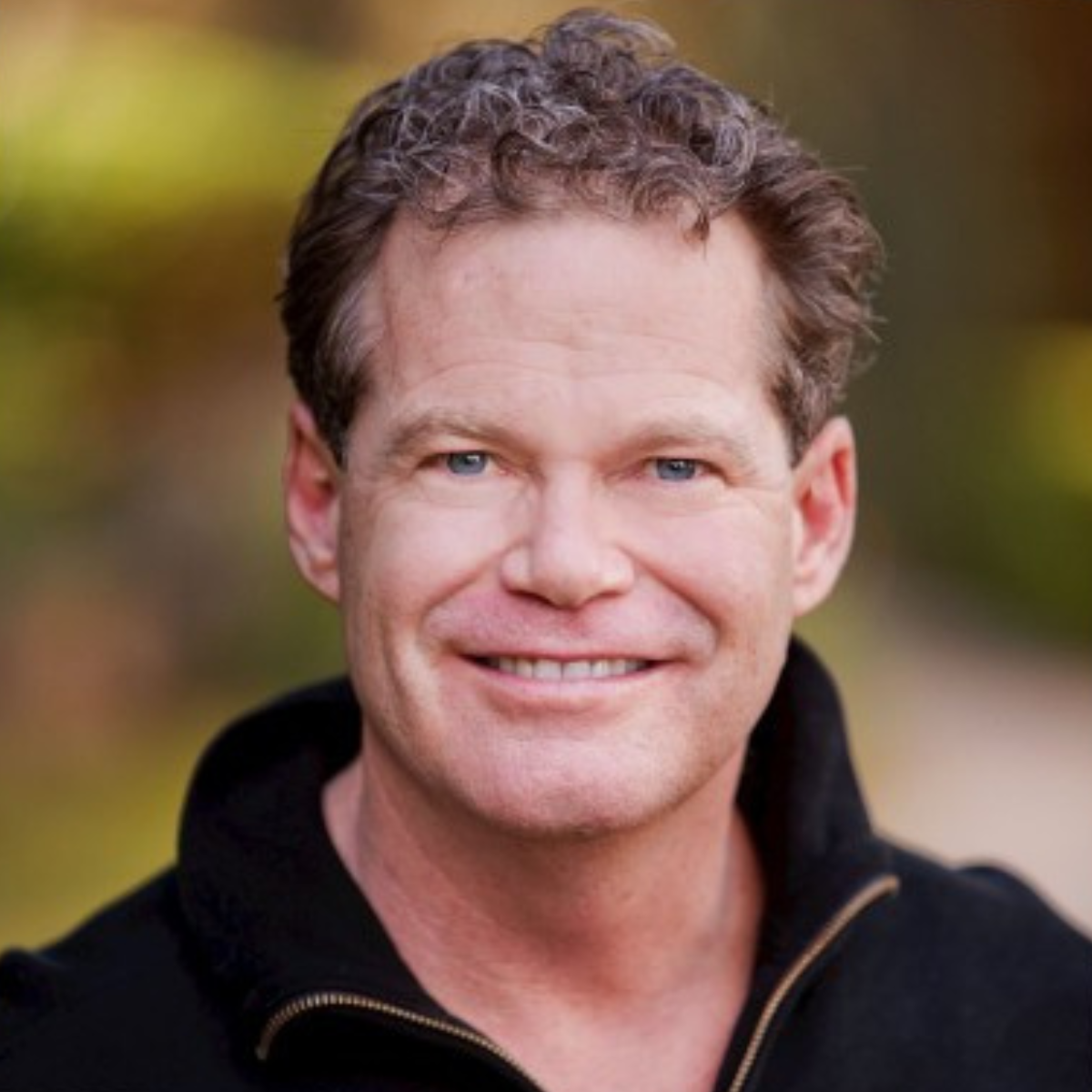
Thomas J. Powell is the Senior Advisor at Brehon Strategies, a seasoned entrepreneur and a private equity expert. With a career in banking and finance that began in 1988 in Silicon Valley, he boasts over three and a half decades of robust experience in the industry. Powell holds dual citizenship in the European Union and the United States, allowing him to navigate international business environments with ease. A Doctor of Law and Policy student at Northeastern University, he focuses on middle-income workforce housing shortages in rural resort communities. He blends his professional acumen with a strong commitment to community service, having been associated with the Boys and Girls Clubs of America for over 45 years. Follow Thomas J Powell on LinkedIn, Twitter,Crunchbase.