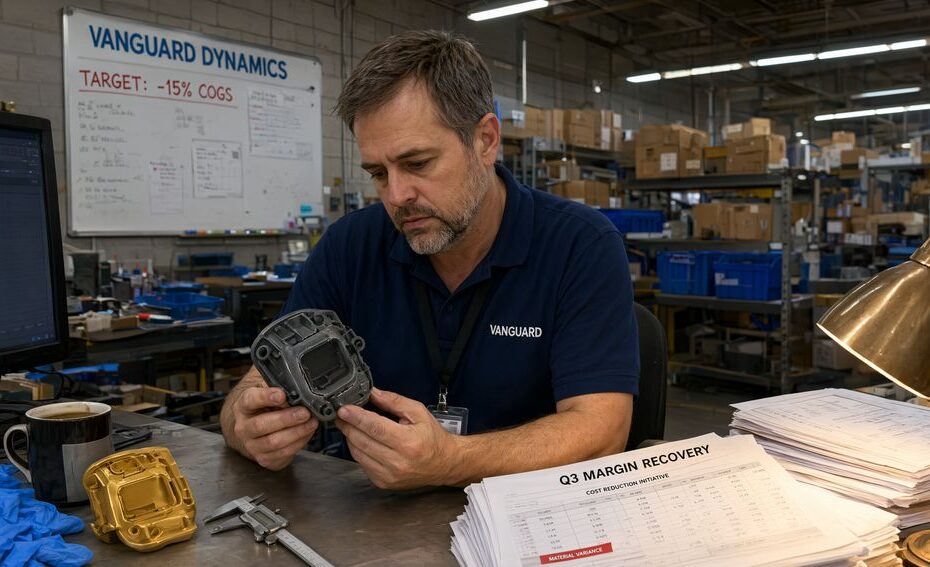
Product quality can drop after a private equity purchase when debt payments and short holding periods push the company to generate cash faster than its products can support. A post-acquisition quality decline often begins with quiet cuts to materials, staffing, testing, research, and customer service.
The logo and price may remain unchanged, yet the product you receive feels different. Understanding the financial mechanics behind that change helps you separate reasonable efficiency measures from cuts that weaken durability, safety, service, and long-term brand trust.
Why Can Product Quality Drop After Private Equity Buys a Company?
Private equity (PE) ownership can change what management is rewarded for delivering. Instead of prioritizing product longevity and steady brand development, leaders may face stronger pressure to increase cash flow, improve reported earnings, and prepare the company for resale.
That shift affects routine operating decisions. Management can postpone equipment upgrades, reduce product testing, limit employee training, consolidate suppliers, or replace costly materials with cheaper substitutes. Any single change may look minor on a spreadsheet, but several cuts made together can alter how the product performs.
The effect often appears gradually rather than through one dramatic announcement. Customers may notice weaker packaging, shorter product life, slower support, fewer repair options, or a warranty that becomes harder to use. Employees may see experienced colleagues leave, inspection steps disappear, and production targets rise before consumers recognize a pattern.
How Does Debt From a Leveraged Buyout Put Quality Under Pressure?
A leveraged buyout (LBO) uses borrowed money to finance much of an acquisition, with the acquired company’s cash flow commonly supporting repayment. Interest and principal payments then compete with product investment for the same pool of money.
A company that previously used surplus cash for new equipment, supplier development, maintenance, or research and development (R&D) may need to redirect part of that money toward debt service. Management still has to meet payroll and operating expenses, so flexible budgets often receive the first cuts. Product development, preventive maintenance, testing, and training can look deferrable when compared with a scheduled loan payment.
Leverage also reduces room for error. A sales decline, higher borrowing cost, supplier disruption, or failed product launch can strain cash flow faster at a debt-heavy company. S&P Global Market Intelligence has documented how leverage can strain private equity portfolio companies and contribute to defaults, showing why management may prioritize immediate liquidity over investments with slower returns.
Why Does the Ownership Timeline Change Product Decisions?
Private equity funds generally plan to improve and resell their portfolio companies within a limited holding period. That timeline can favor changes that improve near-term financial results, even when product benefits require longer investment cycles.
Many quality investments take years to repay their cost. Developing a stronger component, qualifying a dependable supplier, redesigning a manufacturing process, or building a skilled technical team may reduce defects over time without creating an immediate jump in earnings. A shorter ownership horizon can make those projects harder to defend during budget reviews.
Financial performance may also be measured through earnings before interest, taxes, depreciation, and amortization (EBITDA). Reducing headcount or supplier costs can improve that figure sooner than a durability program can. If the owner expects to sell before the full effects of weaker materials or reduced testing become visible, the financial reward and product risk occur on different schedules.
Where Do Cost Cuts Hit Product Quality First?
Cost reductions tend to reach areas where damage is delayed, difficult to measure, or easy to explain as streamlining. Materials, labor, supplier management, testing, maintenance, and R&D are common pressure points.
A manufacturer can reduce material thickness, accept wider production tolerances, switch to a lower-cost component, or award work to the cheapest qualified supplier. The product may still pass basic specifications at launch, yet wear out faster under regular use. Similar pressure can reduce sample testing, incoming inspections, batch reviews, and the time engineers receive to resolve recurring defects.
Labor cuts create another path to lower quality. Experienced employees often carry practical knowledge that isn’t stored in a procedure manual, including how to recognize unusual machine sounds, supplier inconsistencies, weak seams, poor finishes, or early failure patterns. When staffing levels fall and production quotas rise, employees have less time to inspect work, maintain equipment, document defects, and stop a questionable batch.
What Are the Warning Signs of a Post-Acquisition Quality Decline?
You can often spot a post-acquisition quality decline through several small changes rather than one obvious failure. Watch for altered specifications, reduced quantities, weaker service, shorter warranties, disappearing product options, and recurring complaints about durability.
Packaging can provide an early clue. A package may become smaller without a matching price reduction, or the product may use less material while keeping the same model name. Instructions, accessories, replacement parts, protective inserts, and repair support can also disappear as management removes costs customers may not notice before purchasing.
Service degradation matters because quality includes what happens after the sale. Longer wait times, fewer support channels, scripted answers, stricter return rules, and delayed warranty decisions can indicate staffing reductions. A company may preserve the physical product for a time but weaken the service system that once made the brand dependable.
Do Private Equity Firms Always Make Products Worse?
No. Private equity ownership doesn’t automatically produce lower quality, and a disciplined investor can stabilize an inefficient company, improve operations, fund better systems, or give management the resources needed to compete.
Some companies enter a buyout with duplicated processes, poor inventory controls, outdated equipment, weak purchasing practices, or products that no longer match customer needs. Removing genuine waste can lower costs without reducing quality. Better forecasting, simpler product lines, stronger supplier terms, and faster decision-making can improve the business and the customer experience.
The distinction lies in what gets removed. Cutting duplicated administration differs from eliminating final inspections, experienced technicians, preventive maintenance, or product engineering. Operational efficiency creates the same or better customer outcome with fewer wasted resources; value extraction improves short-term financial results by shifting hidden costs to customers, employees, suppliers, or the company’s future owners.
What Does Research Say About Buyouts And Product Recalls?
Academic research indicates that product risk can rise after certain private equity buyouts. A peer-reviewed study published in the Journal of Accounting and Economics found an increase in product recalls after private equity investment.
The researchers compared private equity-backed companies with other firms and examined recalls as an observable measure of product quality. Their findings linked buyout ownership with a measurable increase in recalls, whereas venture capital (VC) backing did not produce the same result. That contrast matters because venture capital generally funds company growth, whereas leveraged buyouts can add repayment pressure to an established business.
A recall represents a visible failure, but many quality reductions never reach that threshold. A product that wears out sooner, feels cheaper, becomes harder to repair, or receives weaker customer support may frustrate buyers without triggering formal action. Recall data can reveal part of the problem, not every way a product or service can deteriorate.
How Can You Separate Efficiency From Value Extraction?
You can evaluate an acquisition by tracking where savings come from and whether customers receive the same outcome afterward. Healthy efficiency removes waste; harmful extraction removes capabilities that protected quality, safety, reliability, and service.
Start by identifying the company’s owner through its corporate website, acquisition announcements, business reporting, and the investment firm’s portfolio page. Review changes made after the purchase, including factory closures, layoffs, supplier switches, warranty revisions, product redesigns, reduced quantities, and customer service policies. One change proves little, but a cluster of cuts paired with rising prices or recurring complaints deserves attention.
Employees can watch internal measures that customers cannot see yet. Rising defect rates, more rework, delayed maintenance, relaxed testing standards, rushed product launches, and repeated supplier exceptions can signal that savings are passing risk downstream. Customers should compare current products with older versions by checking weight, dimensions, ingredients, materials, warranty terms, included parts, and repair options rather than relying on the brand name alone.
How Does Private Equity Ownership Affect Product Quality?
- Debt payments can crowd out product investment.
- Cost cuts can weaken materials, staffing, testing, and service.
- Short holding periods favor near-term cash flow.
- Product recall risk can rise after buyouts.
Trust The Product Evidence, Not Just The Familiar Logo
A private equity purchase doesn’t guarantee that a product will get worse, but it can introduce debt and time pressure that reshape management decisions. The strongest warning signs appear when cuts reach materials, testing, skilled labor, maintenance, R&D, warranties, and customer support. You can judge a post-acquisition quality decline by comparing specifications and service terms rather than relying on nostalgia or isolated complaints. Good efficiency preserves or improves what you receive; value extraction asks you to pay the same price for less durability, less support, or greater risk. Once you know where to look, ownership changes become useful signals rather than hidden surprises.
References
- Harvard Business Review: When Private Equity Firms Buy Companies, Employees Often Suffer
- Journal of Accounting and Economics: Private Equity and Product Quality, Evidence From Product Recalls
- Investopedia: Private Equity Explained With Examples and Ways to Invest
- S&P Global Market Intelligence: Private Equity Portfolio Company Defaults Rise as Leverage Strains Cash Flows.

Thomas J. Powell is the Senior Advisor at Brehon Strategies, a seasoned entrepreneur and a private equity expert. With a career in banking and finance that began in 1988 in Silicon Valley, he boasts over three and a half decades of robust experience in the industry. Powell holds dual citizenship in the European Union and the United States, allowing him to navigate international business environments with ease. A Doctor of Law and Policy student at Northeastern University, he focuses on middle-income workforce housing shortages in rural resort communities. He blends his professional acumen with a strong commitment to community service, having been associated with the Boys and Girls Clubs of America for over 45 years. Follow Thomas J Powell on LinkedIn, Twitter,Crunchbase.